Roopkund Lake, often called the Skeleton Lake, is a high-altitude glacial lake in Uttarakhand, India, famous for centuries-old human skeletal remains that have puzzled historians and trekkers alike.
Location and Roopkund Trek Overview
Roopkund Lake sits at an altitude of around 5,029 metres (16,499 ft) in Chamoli, Uttarakhand. The challenging trek from Wan Village takes you through dense forests, lush valleys, alpine meadows, and rugged glacial landscapes, offering spectacular Himalayan views.
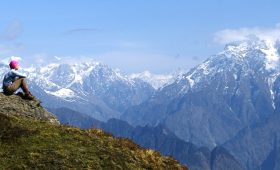
The Roopkund Trek usually takes 8–10 days and covers around 50–60 km. Highlights include Bedni Bugyal, Ali Bugyal, and Junargali, with stunning views of Trishul, Nanda Ghunti, and Hathi Parvat.
The Skeleton Mystery
Roopkund is famous for the hundreds of human skeletons found around the lake, revealed as the snow melts. Most date back to the 9th century, and scientific studies suggest that many deaths were caused by a sudden hailstorm or extreme weather event.
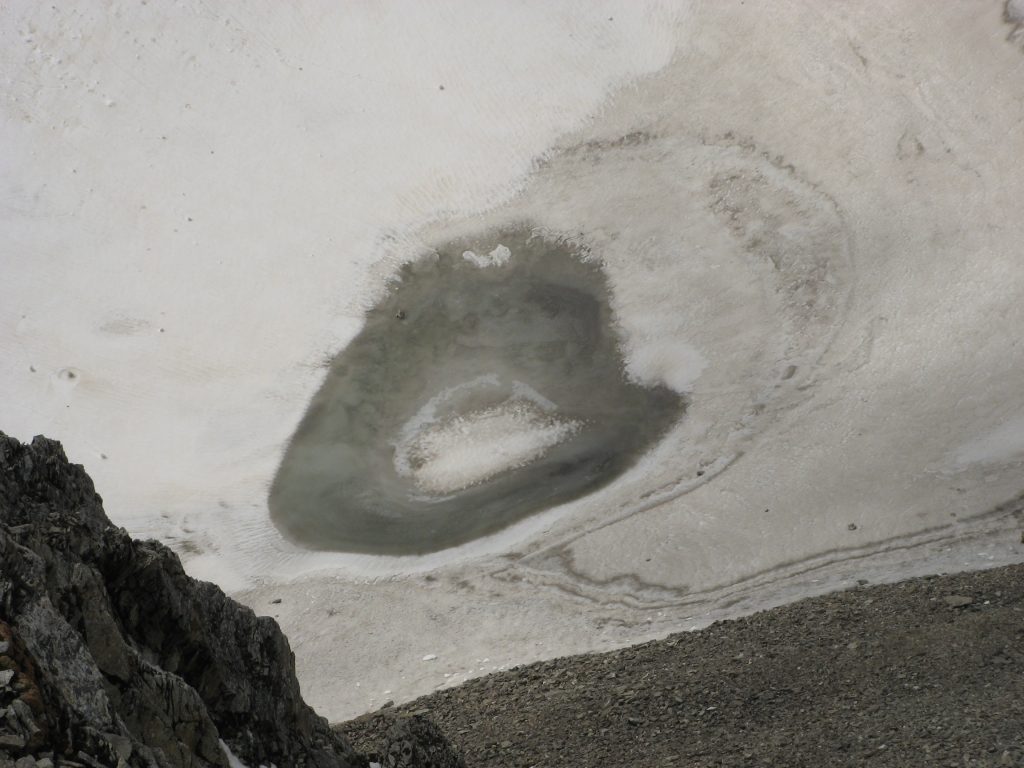
Roopkund Lake Mystery Lake in Garhwal Himalayas. Complete information on Roopkund Trek in Garhwal Himalayas, Skeleton lake mystery about Roop Kund. How to reach place to stay and best time to visit physical fitness and much more about roopkund trekking planning.
Recent DNA studies suggest that the Roopkund remains came from diverse populations, including a local Himalayan group and people with Mediterranean ancestry. This hints that Roopkund may have once been connected to ancient pilgrimage or travel routes.
Best Time to Visit
May to October is ideal for the Roopkund Trek, with June to early October offering pleasant weather, clearer skies, and stunning mountain views. Winter should be avoided due to heavy snowfall and extreme cold.
Trek Difficulty
Difficulty Level: Roopkund Trek is a moderate-to-difficult trek, best suited for experienced trekkers. Steep climbs, high altitude, thin air, and unpredictable weather make proper fitness and acclimatization essential. Experienced guides, warm clothing, and adequate supplies are highly recommended.
Cultural and Scientific Significance
Beyond its mysterious skeletons, Roopkund is deeply connected to Himalayan culture, ancient temples, and pilgrimage routes. Ongoing research into the remains also offers insights into ancient migration, diet, and climate, making Roopkund both an adventurous trek and a fascinating archaeological site.
Roopkund Trek: The Mysterious Skeleton Lake of Uttarakhand
High in the Garhwal Himalayas, hidden among snow-covered peaks and vast alpine meadows, lies one of India’s most mysterious trekking destinations—Roopkund Lake.
Often called the Skeleton Lake, Roopkund has fascinated trekkers, researchers, and adventure lovers for decades. Human skeletal remains discovered around the lake have given the destination an air of mystery, while the spectacular Himalayan landscape makes the journey itself unforgettable.
Located in Uttarakhand at an altitude of approximately 5,000 metres (16,400 ft), the Roopkund region offers a challenging high-altitude trekking experience through forests, meadows, snowfields, and some of the most dramatic mountain scenery in the Himalayas.
Why Is Roopkund Called the Skeleton Lake?
Roopkund became famous because hundreds of human skeletal remains were found around the lake.
The mystery surrounding the remains has generated numerous theories over the years. Recent scientific research has provided evidence that the remains belonged to people from different populations and periods, making the story considerably more complex than the traditional legends suggest.
The lake itself is small and surrounded by imposing Himalayan peaks. When the snow melts, the remains have historically been visible around its edges, creating the eerie appearance that gave Roopkund its nickname.
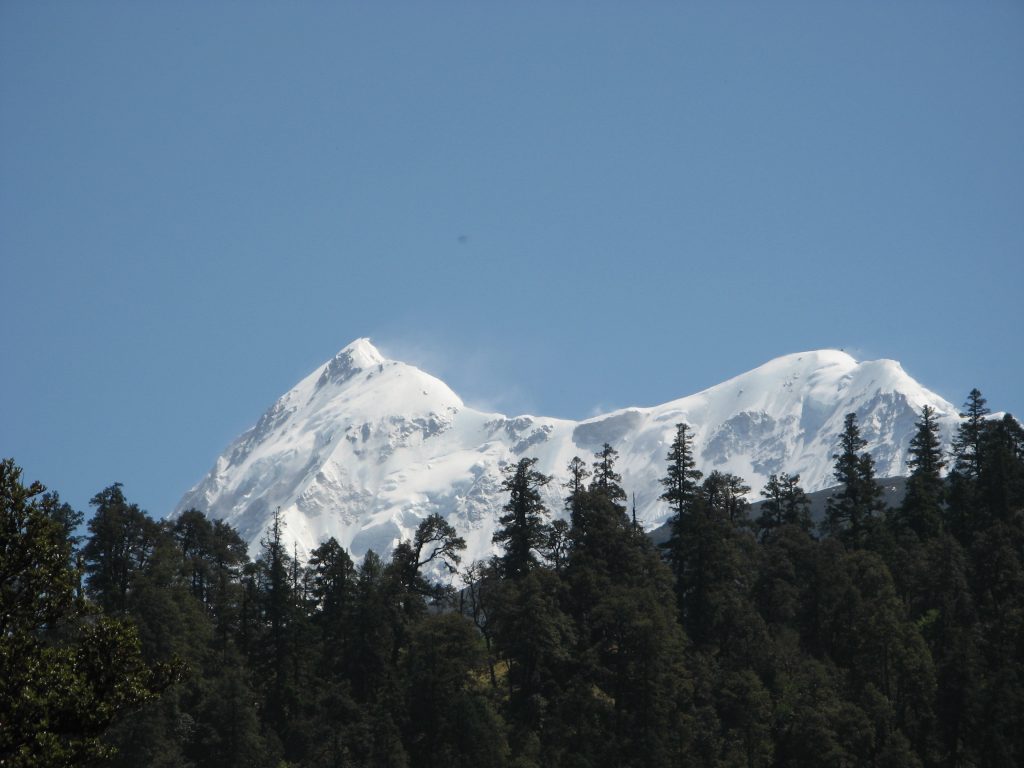
Roopkund Trek Highlights
The trek is not only about the mysterious lake. The route passes through an incredible variety of Himalayan landscapes.
🌲 Dense Himalayan Forests
The journey begins through beautiful forests dominated by oak, rhododendron and other Himalayan trees. During spring, rhododendrons add colour to the trail.
🌿 Ali Bedni Bugyal
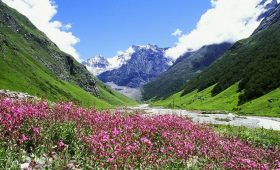
One of the biggest attractions of the trek is Ali Bedni Bugyal, a spectacular high-altitude meadow.
Rolling green grasslands stretch towards snow-covered Himalayan peaks, creating an almost surreal landscape. Bedni Bugyal is also an important cultural landscape for local communities.
🏔️ Himalayan Mountain Views
As the trail climbs higher, panoramic views of peaks such as Trishul and Nanda Ghunti become increasingly impressive.
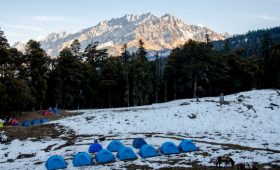
Sunrise and sunset from the high-altitude camps can be particularly spectacular.
❄️ Snow and High-Altitude Terrain
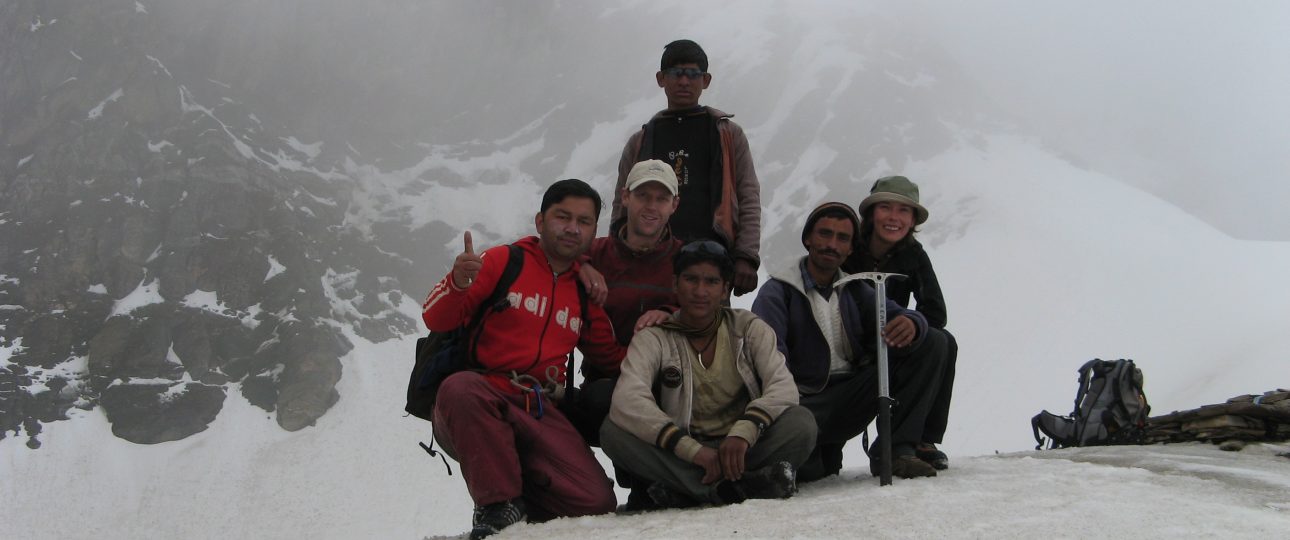
Depending on the season and conditions, trekkers may encounter snowfields, frozen streams and challenging terrain at higher elevations. This is one reason Roopkund should be treated as a serious high-altitude trek, rather than simply a weekend hiking trip.
Roopkund Trek Route
A traditional Roopkund itinerary generally follows a route through the following areas:
Lohajung → Didna Village → Ali Bedni Bugyal → Patar Nachauni → Bhagwabasa → Roopkund → Junargali → Wan
The exact itinerary can vary depending on weather, trail conditions, local regulations and the trekking operator.
Day 1: Lohajung
Lohajung is commonly used as the starting point for the trek.
The village provides access to the higher Himalayan trail and is surrounded by beautiful mountain scenery.
Day 2: Lohajung to Didna
The trail enters the forest and gradually climbs towards Didna Village.
This section provides an introduction to the landscape and altitude before the route moves into the higher meadows.
Day 3: Didna to Ali Bedni Bugyal
This is one of the most scenic sections of the trek.
After passing through forests, the landscape opens into expansive alpine meadows. Ali Bedni Bugyal is a highlight for many trekkers.
Day 4: Bedni Bugyal to Patar Nachauni
The trail continues through high-altitude grasslands towards Patar Nachauni.
The surrounding peaks become increasingly prominent as the altitude rises.
Day 5: Patar Nachauni to Bhagwabasa
This is a demanding day as the trail climbs towards the higher reaches of the trek.
The landscape becomes increasingly rocky and snow-covered depending on the season.
Day 6: Bhagwabasa to Roopkund and Back
The summit day begins early.
Trekkers climb towards Roopkund through challenging high-altitude terrain. The lake is surrounded by steep Himalayan slopes, creating an unforgettable setting.
After spending some time in the area, trekkers normally begin descending.
Day 7: Descend Towards Wan
The return journey takes you back through the high meadows and forests before reaching the lower Himalayan villages.
Day 8: Drive to Rishikesh or Kathgodam it take approx 9hours drive.
Roopkund Trek can be extend further as Nandadevi Alpine Trek :: 12 Days Trek starting from Deval Lohajung to Auli bugyal to Beadni bugyal to Roopkund to Sutol Kunol to Wan to Dhakwani Kuaripass Tali Gorson meadows and Reach Auli. For more information you can mail or call. info@kuaripass.com
Best Time for Roopkund Trek
Historically, May to June and September to October have been popular trekking periods, depending on weather and trail conditions.
However, conditions at Roopkund can change rapidly. Snow accumulation, monsoon weather, local restrictions and conservation rules can affect accessibility.
Before planning the trek, always check the current regulations and route status with the relevant Uttarakhand authorities and local trekking professionals.
Difficulty Level
Roopkund is generally considered a difficult high-altitude trek.
The combination of: Trekkers should build cardiovascular endurance and get comfortable with long uphill walking before attempting the route.
- High altitude
- Long trekking days
- Steep ascents and descents
- Unpredictable Himalayan weather
- Snow and ice conditions
- Remote terrain
What Should You Carry?
A suitable Roopkund trekking backpack should include:
- Good-quality trekking shoes
- Warm layers
- Waterproof jacket and trousers
- Thermal inner wear
- Woolen socks
- Gloves and cap
- Sunglasses
- Sunscreen and lip balm
- Headlamp
- Water bottles
- Personal first-aid supplies
- Trekking poles
- High-energy snacks
- Backpack rain cover
- Basic toiletries
At high altitude, layering is particularly important because temperatures can change dramatically during the day.
Roopkund Trek: More Than Just a Mystery
The skeletons are undoubtedly what made Roopkund famous, but the real attraction of the trek is much broader.
It is the combination of Himalayan forests, enormous alpine meadows, snow-covered mountains, remote villages and challenging high-altitude terrain that makes the journey memorable.
For trekkers who enjoy dramatic landscapes and demanding Himalayan routes, Roopkund represents one of Uttarakhand’s most iconic trekking stories.
Important Note About Visiting Roopkund
Roopkund is located in a sensitive Himalayan environment, and access to the lake may be restricted or regulated for conservation reasons. The traditional trek route should not be assumed to be currently open simply because it appears in older trekking itineraries or blogs.
Before booking a trip, verify the latest access rules, permits and route conditions.
Conclusion
The Roopkund Trek combines adventure, mythology, history and some spectacular Himalayan scenery.
From the forests around Lohajung to the vast meadows of Bedni Bugyal and the high-altitude landscape surrounding Roopkund, every section of the journey offers something different.
But Roopkund is not a trek to take lightly. The altitude and terrain demand preparation, fitness and respect for the mountains.
Roopkund may be famous for its mysterious lake—but it is the journey through the Himalayas that makes the trek truly unforgettable.